If you are interested in partnering with us, please get in touch. Using P4I's flexible, innovative tools and diverse global expertise, we are confident we can design a response that is tailored to your needs.



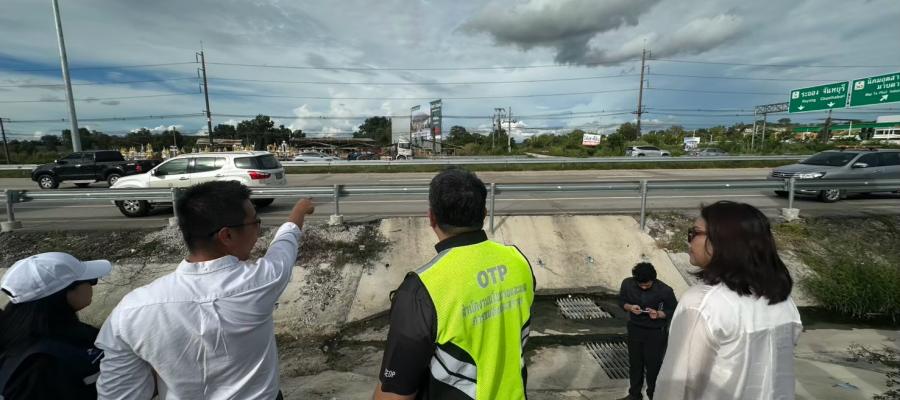
World Sustainable Transport Day is a reminder that a sustainable transport system has to keep working when disaster strikes. For Thailand, where monsoon flooding damages roads every year, that means rethinking how the country repairs and invests in its transport networks.
The 2011 floods, among the most severe in the country’s history, caused an estimated THB 3.58 trillion (approx. US$46.5 billion) in damage and losses, close to THB 33.88 billion (approx. US$1 billion) of it in the transport sector. After the 2022 floods, another notable example of severe damages, the Department of Highways and the Department of Rural Roads estimated damage at about THB 13.3 billion (approx. USD 403 million), and allocated about THB 3.8 billion (approx. USD 115 million) for recovery. Over the past six years, the Department of Highways has spent more than THB 20 billion (approx. USD 606 million) on disaster response and road rehabilitation.* (*figures provided by the Office of Transport and Traffic Policy and Planning (OTP).
The damage goes well beyond broken bridges and washed-out embankments. Road closures delay freight, raise logistics costs, and can cut communities off from hospitals, schools and markets.
Yet Thailand's budget framework generally funds repairs to the original standard. The Ministry of Transport has no formal criteria for deciding when a damaged asset should be upgraded instead.
"We need to shift from spending public funds primarily to repair damage that has already occurred towards using data and a better understanding of risks to guide investment decisions in advance," said Suvichan Surabal, Deputy Director General, OTP.
With support from P4I, OTP and the Queensland Reconstruction Authority (QRA), met in Bangkok in July 2025 to exchange knowledge on some of the approaches QRA was implementing in Australia. Queensland faces similar pressures, but has been implementing a proactive shift towards resilience since 2013. Part of that shift is using Sustainable Asset Valuation (SAVi), a cost–benefit assessment tool that enables governments and investors to make informed decisions on financing resilient infrastructure.
OTP and P4I are now working on adapting the tool to the Thai context and developing a resilient land transport handbook for Thai transport agencies, drawing on the joint work to date. Together, the tool and handbook will help agencies:
"It will help the Ministry move beyond simply asking how much it costs to repair damaged infrastructure towards assessing how much additional investment in disaster-resilient infrastructure could reduce future losses and generate benefits for people and the economy," said Suvichan.
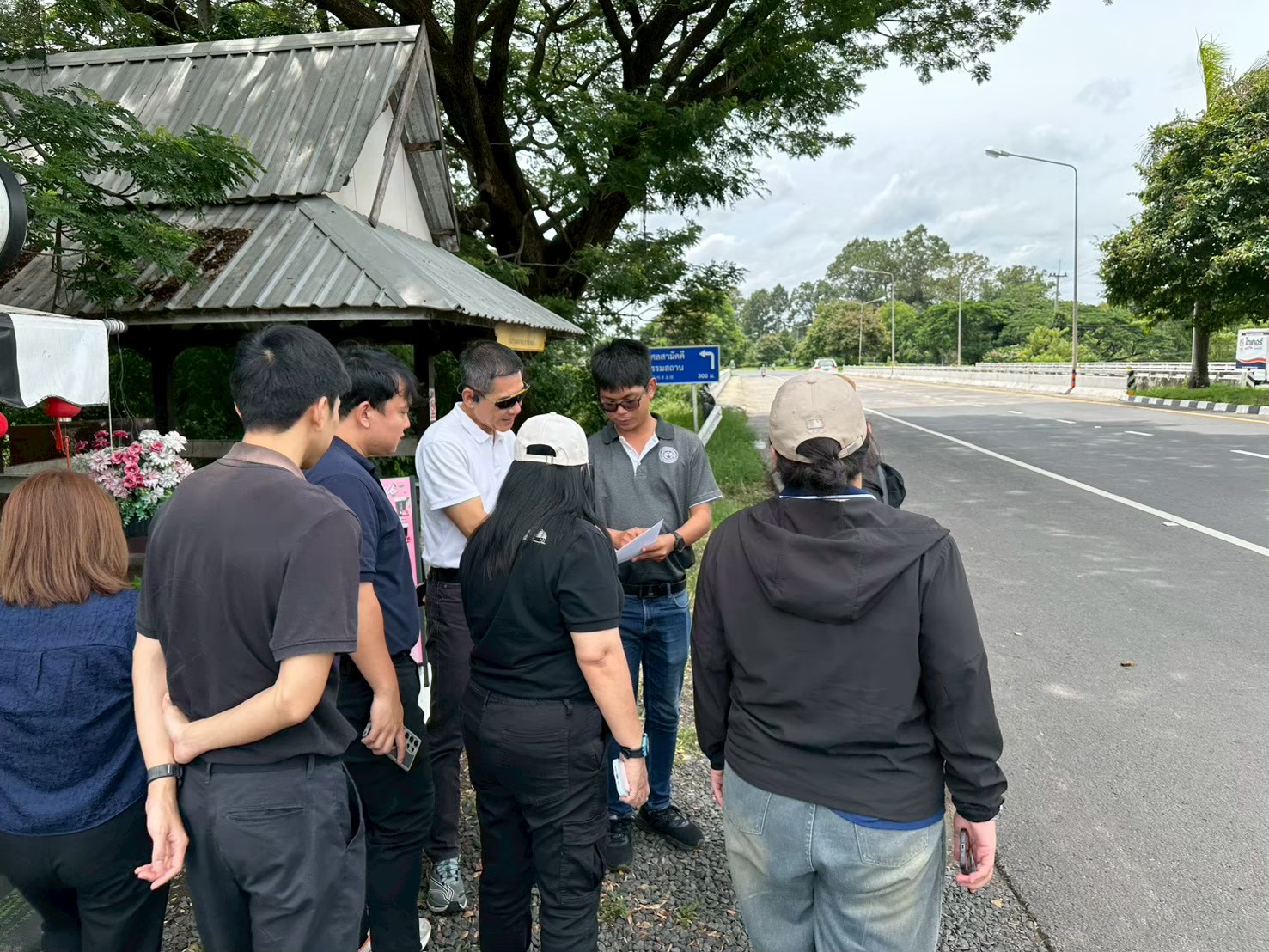
OTP is now applying SAVi to four pilot sites in Chiang Mai, Ubon Ratchathani, Rayong and Hat Yai. The sites were selected against flood risk, the importance of the transport infrastructure, economic potential and impact on local communities. Criteria included recurrent flooding, links to seaports, international airports or economic zones, and places where roads may obstruct natural water flows.
Each pilot focuses on a major route linking to critical infrastructure:
These routes serve residents travelling to work and hospitals, farmers moving perishable produce, manufacturers relying on supply chains, and emergency services reaching affected areas.
The pilots are at an early stage, but they have already shown that assessing roads and bridges one by one misses much of the picture. Damage at a single point can disrupt connections across a region, interrupt supply chains and leave remote communities without access to essential services.
"Physical infrastructure damage may be only the starting point of a much wider chain of impacts across other sectors," said Suvichan.
The true value of transport networks lies not only in the infrastructure itself, but also in their role in enabling the country and its people to continue functioning, even in times of disaster. The four pilot projects can serve as models for planning and developing a more resilient and disaster-ready national transport network.
If you are interested in partnering with us, please get in touch. Using P4I's flexible, innovative tools and diverse global expertise, we are confident we can design a response that is tailored to your needs.