If you are interested in partnering with us, please get in touch. Using P4I's flexible, innovative tools and diverse global expertise, we are confident we can design a response that is tailored to your needs.





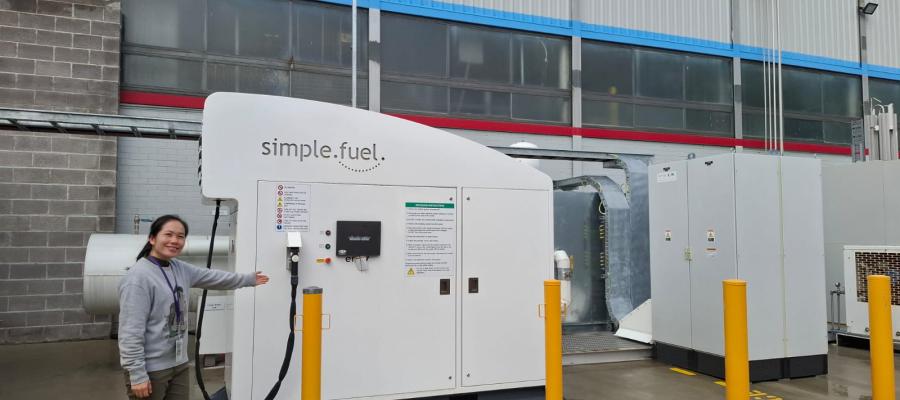
As regional demand for low-emissions fuels grows, Laos is exploring how green hydrogen could complement its substantial hydropower output. The country sees potential to diversify its energy mix with further renewable sources, support industrial applications, and strengthen long-term energy security.
But before these opportunities can be realised, robust modelling is essential—understanding production costs, infrastructure needs, and how green hydrogen could fit into Laos’ future energy system.
This work is part of the Laos–Australia Sustainable Energy Partnership (LASEP), which is building practical hydrogen assessment capability within Laos with support from CSIRO, Australia’s national research agency.
To strengthen this capability, P4I launched a new internship model that embeds Lao researchers inside CSIRO’s techno-economic modelling environment—combining hands-on experience with analysis informed by local context.
The model is designed as a recurring placement program, enabling Lao researchers to work directly with Australian technical agencies on real modelling tasks. It complements other LASEP green hydrogen initiatives, including:
This approach also strengthens institutional linkages between CSIRO, the Ministry of Agriculture and Environment, and Lao universities—supporting a small but growing community of practice around green hydrogen and ammonia modelling in Southeast Asia.
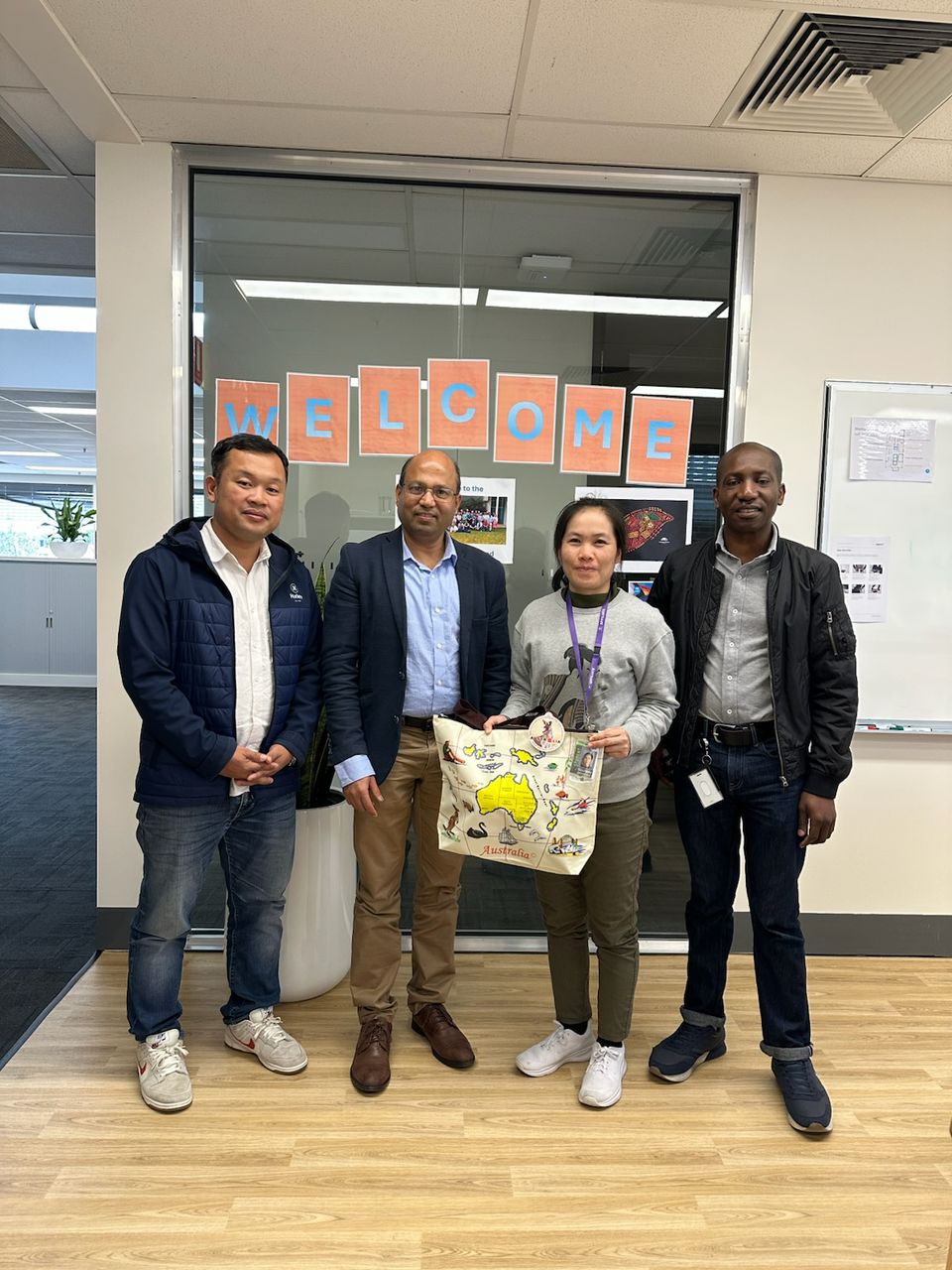
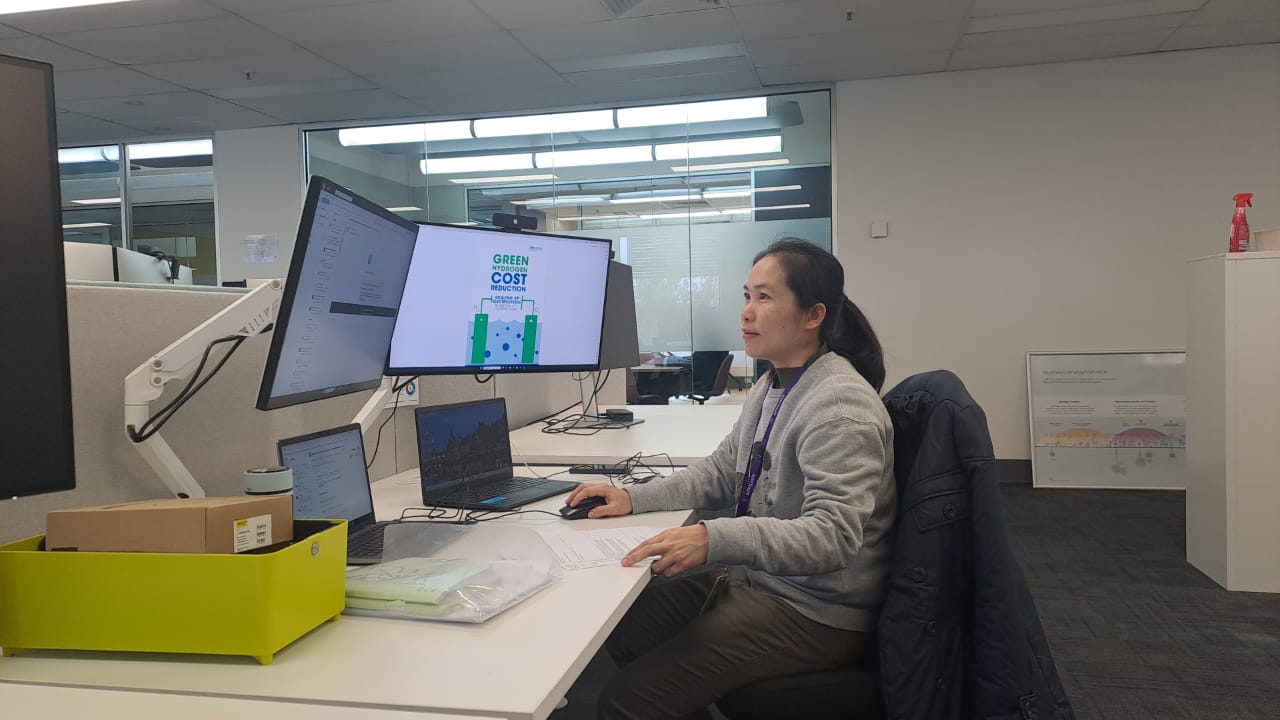
The first participant in the program, Soulisay Xayachak, a technical officer at the Biotechnology and Ecology Institute under Lao PDR’s Ministry of Agriculture and Environment, completed her placement at CSIRO in September 2025.
“During my four months with the Energy Research Unit, I worked inside CSIRO’s techno-economic modelling process,” Soulisay Xayachak said. “I localised the analysis using hydropower data from my country and aligned the modelling assumptions with current energy conditions and planning context. My placement contributed to two core studies under LASEP: first, modelling the cost and feasibility of producing green hydrogen using hydropower from a Lao city; and second, carrying out preliminary analysis of potential industrial applications, including cement production. As a hard-to-abate sector that is important to Laos’ economy, exploring pathways to decarbonise cement production feels particularly exciting.”
Dr Nawshad Haque and Dr Mutah Musa, who supervised Ms Xayachak’s internship at CSIRO, highlighted the impact of her work:
“Ms Xayachak’s integration of hydropower data from Laos refined key assumptions across both LASEP studies and gave us a clearer view of how hydropower-based hydrogen production could work under real conditions,” Dr Haque said.
“The Lao hydropower profile she brought into the modelling also has wider regional value,” Dr Musa added. “It offers a starting point for understanding how similar hydrogen production scenarios might operate in other Mekong countries such as Thailand and Cambodia.”
They also noted the broader benefits of the placement: “Her involvement helped align modelling practices between CSIRO and Lao counterparts,” Dr Haque explained. “It improved shared visibility of data limitations, planning assumptions, and the practical factors shaping Laos’ energy system.”
Dr Musa concluded: “The placement deepened the working relationship between CSIRO and Lao institutions and supports the capability needed for future hydrogen and ammonia planning under LASEP and beyond.”
For Ms Xayachak, the experience was transformative:
“Working inside CSIRO’s modelling process gave me a clearer understanding of analytical methods, evidence-based research, and how theoretical concepts translate into real-world assessments,” she said. “This sort of experience can support the development of technical capability within our national institutions and enable early-career engineers like me to participate more confidently in the analysis required for emerging low-emissions technologies.”
Dr Haque and Dr Musa also noted that placements of this kind help familiarise early-career engineers with applied analytical work, supporting the capability needed as green hydrogen studies progress under LASEP.
LASEP partners plan to continue the internship model in future phases of the green hydrogen workstream, creating further opportunities for Lao researchers to work alongside CSIRO teams on applied analysis. The experience gained during this first placement will inform upcoming studies on hydrogen and ammonia pathways and provide a practical entry point for early-career engineers interested in this emerging field.
If you are interested in partnering with us, please get in touch. Using P4I's flexible, innovative tools and diverse global expertise, we are confident we can design a response that is tailored to your needs.