If you are interested in partnering with us, please get in touch. Using P4I's flexible, innovative tools and diverse global expertise, we are confident we can design a response that is tailored to your needs.

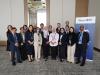
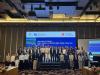
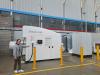
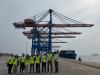


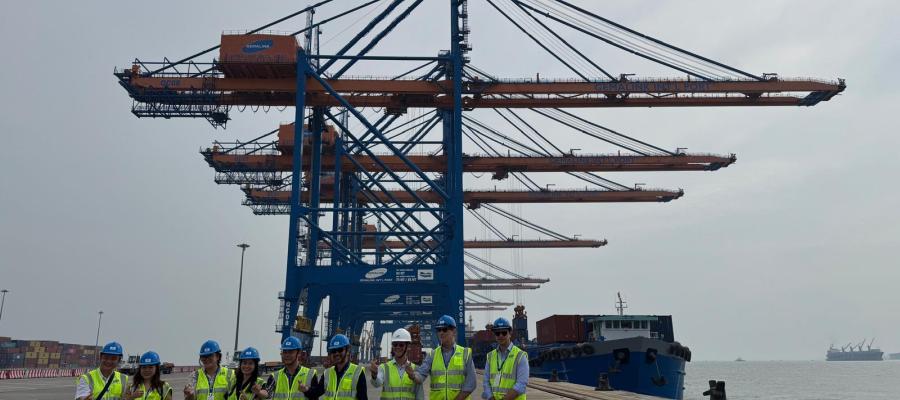
Vietnam is stepping into a pivotal role in the global maritime decarbonisation movement, with the Cai Mep–Thi Vai port cluster in Ba Ria–Vung Tau emerging as a potential strategic hub for green fuel bunkering. Backed by the Australian Government through the Partnerships for Infrastructure (P4I) program, a recent feasibility study has laid out a clear pathway for integrating alternative marine fuels into Vietnam’s port infrastructure.
Cai Mep handles more than 35% of Vietnam’s seaborne cargo and continues to expand with projects such as the Can Gio International Transshipment Port. Its location on key international shipping lanes, combined with existing liquefied natural gas (LNG) facilities, makes it an ideal candidate for pioneering green bunkering in the country.
The timing could not be more critical. Countries have agreed in the International Maritime Organization (IMO) to achieve net-zero emissions by 2050 and maritime decarbonisation is a priority for many countries as they set and progress plans to lower greenhouse gas emissions from maritime activities. Vietnam faces both opportunities and challenges in adapting its maritime sector to these new standards. The government has already shown leadership through Decision No. 876/QD-TTg, which supports port decarbonisation and the broader energy transition.
The feasibility study examined Cai Mep’s readiness across infrastructure, fuel supply, regulation, and socio-economic conditions, with a focus on four alternative fuels. LNG emerged as the most viable short-term option due to existing infrastructure and growing demand from dual-fuel vessels. Methanol, both bio and e-methanol, shows strong medium-term promise as global adoption accelerates. Green ammonia remains in its early stages, requiring more technological and regulatory development, while biodiesel offers a readily deployable “drop-in” solution for existing bunkering practices.
In the short term, the study recommends conducting site-specific research around the Hai Linh and Thi Vai LNG terminals, completing a regulatory gap analysis, and training port staff and pilots in handling new fuels safely. In the medium to longer term, Vietnam will need to expand LNG storage, develop methanol-specific infrastructure, and strengthen coordination across ministries to align energy, transport, and environmental policies.
Beyond the technical aspects, the transition to green fuels offers broad socio-economic benefits. It is expected to generate jobs in construction, operations, and workforce upskilling, while also opening opportunities for inclusive hiring, supplier diversity, and stronger community engagement. At the same time, regulatory frameworks for emerging fuels like methanol and ammonia must be urgently updated to keep pace with industry momentum.
Mr Hoang Hong Giang, Deputy Administrator of VIMAWA, stated: “We sincerely appreciate the support of the Australian Government through the Partnerships for Infrastructure program. This report offers timely and valuable insights that will assist Vietnam in advancing its transition toward green marine fuels and sustainable maritime development. We believe these findings will further encourage continued dialogue and cooperation between Vietnam, Australia, and our international partners as we work together toward a low-carbon and resilient maritime future".
By investing in green bunkering at Cai Mep, Vietnam has a unique opportunity to lead maritime decarbonisation in Southeast Asia. Doing so will not only enhance the country’s competitiveness and attract international investment but also demonstrate its commitment to global climate goals.
If you are interested in partnering with us, please get in touch. Using P4I's flexible, innovative tools and diverse global expertise, we are confident we can design a response that is tailored to your needs.